


How to Pick the Right Potty Seat for Your Toddler? Types, Tips, and What Actually Works

The potty seat question trips up a lot of parents because there isn't just one type. Standalone chairs, toilet seat adapters, step stool combos, and convertible 3-in-1 seats all work differently depending on your toddler's age, your toilet height, and how much time you have for training.
Learning how to choose potty seat for baby starts with understanding these four options, not picking whichever one looks the cutest on a store shelf.
In this guide, we will cover:
-
The four main baby potty seat types, including which type of potty seat is best for toddlers at each age
-
A side-by-side comparison so you can choose without second-guessing
-
Which R for Rabbit model well maps to every product type
Four Types of Baby Potty Seats and What Each One Actually Is
Standalone Potty Chair
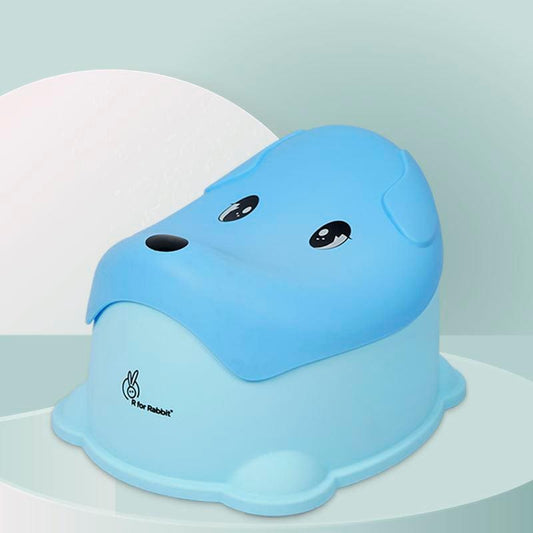
The standalone potty chair is a small, self-contained chair with a removable bowl. It fits anywhere in the bathroom or bedroom, making it the easiest starting point for most families.
This type suits toddlers just starting out, usually between 18 months and 3 years old, so it often works out as the best potty seat for 1 year old shoppers searching for a first.
In Indian homes with wet bathroom floors, the child sits on their own furniture instead of perching on an adult seat.
The only downside is one more piece of furniture to clean, since the bowl must be disposed of manually after each use.
R for Rabbit's standalone range includes as below
Toilet Seat Adapter (Reducer Ring)
You can put the toilet seat adapter on top of the toilet seat. This helps the child to use the real toilet from the very start.
The smaller ring makes it easier for them. This works best after your toddler is a bit older and less nervous about the height, which usually happens after 2.5 years.
You can add a step stool, so their feet are not dangling in the air. Here you will face the classic potty chair vs toilet seat adapter dilemma that most parents face around this age.
Some kids often find extra height intimidating. Also, buying the stool is an additional purchase. R for Rabbit’s adapter range offers the Little Grown Up Baby Potty Seat, Little Grownup Pixie, and Little Grownup Tunes.
Step Stool and Potty Combo (Ladder Style)
The ladder potty seat for kids combines a toilet seat adapter with a built-in step stool, so the child climbs up, sits on the adapter, and rests their feet on the step instead of letting them hang.
Parents who want to skip the standalone stage entirely and move straight to the toilet tend to prefer this option. It solves the dangling feet problem without a second stool purchase, and it works as a genuine potty training seat with a step stool for compact bathrooms.
This is the type most buying guides skip entirely. R for Rabbit covers it with the Hilltop range, including the Hilltop Potty Step Stool, Hilltop Trainer Step Stool, Hilltop Booster Potty Seat + Step Stool
-
Convertible 3-in-1 Potty Chair
The 3-in-1 convertible potty seat starts its life as a standalone potty chair. It then converts into a toilet seat adapter. And, in some models, the base later doubles as a step stool.
It suits parents who want one product to last the entire journey from 18 months to around 4 years old, essentially a convertible potty chair. Its usage grows with changing toddler needs instead of forcing separate purchases at each stage.
It costs more upfront, but it usually replaces two or three separate products. R for Rabbit's Tiny Tots Mellow 3-in-1 Convertible Potty Training Seat covers this category on its own.
Potty Seat Types Compared Side by Side
Comparing all four baby potty seat types in one place makes the decision easier than reading four separate sections.
|
Type |
Best Age |
Feet Supported |
Cleaning |
Portability |
Grows With Child |
RFR Range |
|
Standalone potty chair |
18 months to 3 years |
Yes, flat floor |
Bowl removal and wash |
Yes, room to room |
No |
Tiny Tots, Minimo, Puppy, Regal |
|
Toilet seat adapter |
2.5 years and up |
Only with separate stool |
Wipe down |
Moderate |
Partially |
Little Grownup range |
|
Step stool and adapter combo |
2 years and up |
Yes, built-in step |
Wipe down |
Low |
No |
Hilltop range |
|
Convertible 3-in-1 |
18 months to 4 years |
Yes, standalone mode |
Bowl removal and wipe |
Moderate |
Yes, 3 stages |
Tiny Tots Mellow |
Most Indian families start with a standalone potty chair and switch to an adapter with a step stool once the child feels steady on their feet.
The standalone potty chair vs toilet seat adapter choice usually comes down to your child's age and your bathroom setup, not personal preference.
If buying twice sounds like a hassle, the convertible 3-in-1 is the single purchase option. All four types work well. The real difference lies in when and how your child will use them.
Key Factors to Check Before You Buy
Knowing how to choose potty seat for baby products gets much easier once you run through these five factors before adding anything to the cart.
Size and Fit
The child's bottom should fit inside the seat without pinching on either side. Feet should touch the floor on a standalone chair or on a step with an adapter and stool combo, since dangling feet make sitting uncomfortable and cause kids to rush through the process. Always check the weight limit listed in the product specs before buying.
Anti-Slip Base
Indian bathroom floors are usually wet and slippery, so you need rubber grips on the base. It is a necessity to ensure safety.
You can first test it yourself. To do that, you place the seat on a dry tile and apply light sideways pressure. It shouldn't shift at all.
Easy to Clean
It is much easier to clean the removable bowls thanks to their smooth inner surfaces. You need to ensure that no bolts or hinges sit where waste can collect underneath. Splash guards should have smooth edges so they don't scratch skin during cleaning.
Material
The BPA-free, non-toxic plastic is the standard material to expect when babies are involved. Every R for Rabbit potty seat meets this requirement.
Smooth internal edges are essential because rough seams or moulding marks can pinch a child over time.
You should avoid any product that doesn't list material details with utmost clarity. Also, you can ask the seller directly if the information is missing.
Design and Appeal
Toddlers are more likely to sit on the potty seat if they like the design or overall visual appeal. This helps speed up their potty training.
You should explore the character themes, music, and colour choices. The sound feature is a good addition, but make sure it can be switched off as well.
Features Worth Paying More For
-
Cushioned seat: It is a quite useful feature during early potty training when a child may sit for longer stretches. It is available on the Tiny Tots Dino model. The added comfort helps in reducing restlessness. This makes training sessions smoother.
-
Handles or armrests: They let the child lower themselves safely without gripping the toilet bowl or a parent's arm. It is a standard feature found on most of the Hilltop models. They provide added stability. This helps children feel confident during potty training.
-
Backrest: It is pretty useful to support posture in younger toddlers whose core strength hasn't fully developed. It is a standard feature found on most standalone chairs. The added support helps children sit upright comfortably. This reduces strain during longer training sessions.
-
Music & audio: These features are found on the Little Grownup Pixie and Little Grownup Tunes. They precisely work as a potty seat with music for toddlers in India parents often search for, since they keep a child seated long enough to finish. All these features matter less once training crosses six to eight weeks.
When to Move From Potty Chair to Toilet Seat
Most children move from a standalone potty chair to a toilet seat adapter between ages 2.5 and 3.5 years. Still, there's no fixed rule.
What could be the sign that they are ready for the change is being able to use the potty without reminders. Also, if they can ask to use the big toilet or show curiosity about what adults do in the bathroom.
The Hilltop step stool potty combo for toilet training makes this switch much easier, since the child can climb up and down without help. Knowing when to switch from potty chair to toilet seat matters less than watching your own child's confidence.
Some kids make the move at 2.5, others wait until 4, and both are normal. Most kids give you a pretty clear signal when they're done with the little chair. You need to look for signs of readiness to know when your child is fully ready for potty training.
India-Specific Considerations
Most buying guides skip the details that matter most to Indian homes, which is exactly where the decision about the best potty seat for Indian toddlers gets complicated.
-
Indian vs Western Style Toilets
Most Indian homes in cities now have Western-style seated toilets, but older buildings and smaller towns often still use Indian style squat toilets. Toilet seat adapters and step stool combos only work with Western-style seats.
Homes with Indian-style toilets need a standalone potty chair, since it's the only potty seat for Indian toilet setups that actually works.
-
Wet Bathroom Floors
Indian bathrooms are regularly washed down with water. This leaves floors wet far more often than in Western homes. Anti-slip bases are not an option but a necessity.
Some parents keep the potty chair in a dry corner of the bedroom, or just outside the bathroom, until the child is ready to use the toilet directly.
-
Joint Family Setup
In a joint family, multiple caregivers may use the potty seat with the same child on different days. You need much simpler designs that are easy to assemble or adjust.
The Minimo range and Tiny Tots standalone chairs handle this well, since anyone in the house can use them without instructions.
-
Apartment Bathrooms
You don’t have enough floor space to put a standalone chair next to an adult toilet when you have smaller apartment rooms.
The Hilltop step stool and adapter combo sits directly on the toilet and takes up no extra floor space, which suits compact Indian bathrooms better.
If you are a parent who is hunting for a potty seat that fits on Indian toilet shapes and Western-style seats alike, you should check the adapter's rim size against your own toilet before buying.
-
Gifting Context
Potty seats are sometimes given as gifts at a first birthday or baby shower in Indian families. Anyone buying one as a gift should first check whether the family uses a Western- or Indian-style toilet, since an adapter is useless without the right toilet to match.
Most families think of the best potty seat for Indian toddlers as something that can match their toilet setup and daily routine, not the priciest option out there.
Common Mistakes to Avoid
-
Selecting a potty seat based on appearance, not prioritizing comfort and fit.
-
Skipping safety features like anti-slip grips and a stable base.
-
Picking the wrong size for a child's weight and height.
Starting too early also adds to the problem, since a child who isn't developmentally ready will resist no matter how good the seat is.
The seat is a tool, not the training method itself. For more on readiness, see our exclusive guide on signs your kid is fully ready for potty training.
Faq's On How to Pick the Right Potty Seat for Your Toddler? Types, Tips, and What Actually Works
RELATED PRODUCTS

- ₹ 1,538
- ₹ 1,899
- 19% off

- ₹ 1,347
- ₹ 1,791
- 25% off
 Deal of the Day

- ₹ 1,349
- ₹ 1,899
- 29% off

- ₹ 1,652
- ₹ 2,196
- 25% off


- ₹ 963
- ₹ 1,395
- 31% off
Deal of the Day
- ₹ 865
- ₹ 1,098
- 21% off

- ₹ 1,822
- ₹ 2,394
- 24% off


- ₹ 1,046
- ₹ 1,395
- 25% off


