


Baby Hygiene Tips and Checklist for New Parents!

Baby hygiene starts with - daily care. It keeps your newborn clean and safe. Our baby hygiene tips will make a difference in your parental journey.
We have come up with a baby hygiene checklist for new parents. Newborn hygiene tips build healthy habits. New parents do not need perfection — just consistency. Your baby thrives on loving care.
Daily baby hygiene steps start with wiping their face. Keeping the diaper area dry every day. Use mild soap during safe baths. So, consistent hygiene habits matter. And simple routines make care easier.
Small habits protect your baby daily. They help keep your newborn comfortable. Let us explore daily baby hygiene steps for new parents.
Why Early Hygiene Habits Support Healthy Growth.
Clean routines protect a baby’s delicate skin. Good hygiene reduces germs. Fewer germs mean - less illnesses.
Healthy habits help - babies build immunity. Strong immunity supports quicker growth. New parents play a key role every day. Simple steps make a significant transformation.
Clean hands and spaces keep babies safe. Early care builds future readiness. Consistent hygiene creates long-term benefits. Small habits shape a - healthier tomorrow.
3 Daily Cleaning Steps for Your Baby.
Daily cleaning is a part of baby hygiene tips. A baby hygiene checklist for new parents keeps routines simple.
Clean surfaces support everyday care. Gentle wipes maintain freshness. Warm water makes cleaning easy. Steady daily care builds hygiene habits.
-
Face and neck cleaning with soft materials.
Clean the face of your baby gently. Utilise soft materials for cleaning. Leverage wipes to refresh the neck.
A soft cloth prevents irritation on delicate skin. Wipe slowly to remove milk dribbles. Pat the skin with a towel. Avoid harsh fabrics that cause redness. Keep the baby free from sweat. Soft materials make cleaning comfortable.
-
Safe diaper area care to prevent irritation.
Keep the diaper area clean. Change diapers quickly if they are wet. Use gentle wipes to avoid irritation. Pat the skin dry instead of rubbing. Apply a light barrier cream.
Choose R for Rabbit’s breathable diapers for comfort. Give the baby’s skin air-dry breaks. Safe diaper care prevents redness. It also safeguards from rashes.
-
Gentle cleaning methods for tiny hands and feet.
Clean your baby's hands with a cloth. Use mild wipes to - remove daily dirt. Wash feet gently with - warm water.
Pat the skin dry to avoid annoyance. Check between fingers for trapped moisture. Clean between toes. Apply gentle strokes. Avoid harsh soaps. Gentle cleaning keeps the baby fresh.
Bathing Essentials Every Parent Should Know.
Bathing essentials are part of newborn hygiene tips. Use mild products for safe cleaning. Daily baby hygiene steps for new parents include short baths. A calm routine keeps your newborn clean. It also makes him relaxed.
Explore:
- EN71 Certified R for Rabbit Baby Bathing Products
- R for Rabbit Bathtubs For Your Little One
- India's Best Baby Bath Products & Accessories
-
Bath frequency that suits newborn skin needs.
The baby's skin needs gentle care. Baths should be mild. Newborns need only two-to-three baths weekly. Recurrent baths can dry their skin.
Enable daily cleaning with soft wipes. A simple routine keeps newborn skin healthy. It also makes it feel calm.
-
Choosing mild cleansers for soft baby skin.
Pick cleansers made for baby skin. Look for fragrance-free formulas. Avoid chemicals and strong scents.
Pick products with soothing ingredients. Test a small amount before regular use. Use only a tiny drop during baths. Rinse to prevent irritation. Mild cleansers keep the baby's skin healthy. It also makes it calm.
-
Steps to keep bath time calm and secure.
Bath time should feel comfortable. A gentle routine helps your baby relax. Simple steps make bath time easier. A baby hygiene checklist for new parents keeps bath time smooth. Let us quickly go through the bath time steps:
- Prepare warm water before starting.
- Keep all bath items within reach.
- Support the baby’s head and neck.
- Use mild soap.
- Rinse to avoid splashes.
- Wrap your baby in a towel.
Baby Hair, Nail, and Ear Grooming Basics.
Our baby hygiene tips cover hair, nail, and ear care. A baby hygiene checklist for new parents turns grooming simple.
Brush your baby’s hair gently. Trim tiny nails with safe clippers. Clean ears only from the outside. Do not insert anything in the ear. Use mild products for grooming. Gentle care keeps your baby comfortable.
Explore: Stylo Apple Baby Manicure Set Nail Cutter & Nail Filer, Scissor, Tweezer, Ear Pick
-
Simple scalp cleaning and hair care routine.
Start with warm water. Wet the scalp. Use a mild cleanser. Massage the scalp with fingers. Rinse to avoid irritation. Dry the hair with a towel.
Avoid rubbing the baby’s scalp severely. Comb the hair with a gentle brush. Keep the scalp free from sweat. Clean the scalp regularly. Use safe products. A simple routine keeps the scalp healthy.
-
Nail trimming tips that avoid scratching issues.
Trim nails when they are soft. Use safe baby nail scissors. Hold them gently but firmly. Cut nails straight. Avoid trimming close to the skin.
Keep movements steady. Use good lighting for better visibility. Smooth, sharp edges with a soft file. Check nails for rough corners. Trim their nails regularly. Keep their hands clean. Regular trimming prevents scratching.
-
Safe ear cleaning habits for sensitive babies.
Clean merely their ear’s outer part. Use a soft cloth for wiping. Wipe after baths - as the skin is soft. Keep the area dry to - prevent irritation.
Remove visible dirt from the surface. Never use cotton buds. Check for redness regularly. Clean behind the ears to avoid buildup. Use mild products. Be slow during cleaning. Safe habits protect sensitive ears.
-
Gentle lip and nose cleaning avoids discomfort.
Clean the lips with a - damp cloth. Wipe unhurriedly. Use mild water for cleaning. Remove drool with light strokes.
Pat the lips dry instead of rubbing. Clean around the nose with soft materials. Avoid pressing hard on the nostrils. Wipe just the outer nose area.
Clear dried flakes gently. Keep them moisturized. Be calm during cleaning. Gentle care protects the lips and nose. It keeps your baby happy.
Umbilical Cord and Clothing Hygiene Tips.
Umbilical cord care is a part of newborn hygiene tips. Keep this area clean. Choose loose clothing to avoid rubbing.
Daily baby hygiene steps include a cord cross-check. It helps new parents keep the area safe. Clean outfits protect healing skin.
-
Keeping the umbilical area clean and dry daily.
Keep the umbilical area clear. Maintain its dryness. Wipe it gently. Avoid rubbing the skin. Use a soft cloth for cleaning. Check the area daily. Keep clothing loose. Let the skin breathe easily.
-
Select clothes that support better hygiene.
Choose soft fabrics. Pick clothes that dry quickly. Avoid tight outfits while caring. Allow the skin to breathe freely. Use clean clothes every day. Change damp clothes fast.
Select lightweight cloth materials. Avoid rough textures. Keep extra outfits ready. Choose easy‑to‑wash fabrics. Prefer loose‑fitting styles. Clean clothes support better hygiene.
Parent Hygiene Habits That Support Baby Care.
Clean hands keep - your baby safe. Trimmed nails prevent accidental scratches. Fresh clothes reduce germ transfer. Tied-back hair avoids baby contact. Good parent hygiene creates a healthier environment.
-
Hand cleaning habits for anyone handling a baby.
Regular handwashing supports daily care. Remove rings before washing. Use mild soap. Scrub for a few seconds. Wash and dry your hands.
Clean hands after changing the diaper. Wash again after outdoor tasks. Use sanitizer if needed.
-
Keep feeding tools and bottles fully clean.
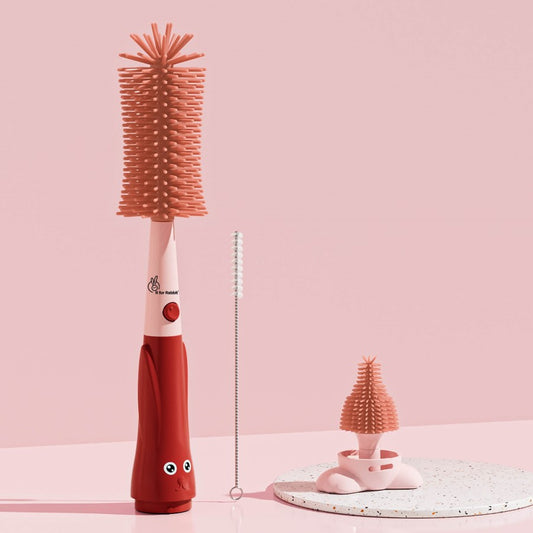
Wash all feeding bottles after use. Use warm water. Apply mild soap. Scrub each part. Clean bottle nipples carefully. Rinse until no soap remains. Let all parts air-dry fully. Avoid using dirty clothes to dry.
Sterilize bottles regularly. Keep brushes dry. Store bottles in a clean place. Check for cracks. Also, cross-check damages. Clean tools keep feeding safe.
Adjusting Hygiene Habits for Weather Changes.
Change hygiene routines based - on the season. Keep their skin moisturized. Use lighter products in humid climates. Change clothes more often in hot weather. Stay gentle with the skin during cold months.
-
Steps for warmer months to avoid rashes.
Keep your baby’s skin cool. Use light and breathable clothing. Alter sweaty clothes swiftly. Give them a lukewarm bath. Pat the skin to dry.
Avoid lotions in heat. Keep the diaper area dry. Change diapers regularly. Use fragrance-free products. Keep rooms ventilated.
Avert sun exposure. Clean folds of skin. Use towels for wiping. Keep bedding light. Cool skin prevents rashes.
-
Skincare needs during cooler or dry seasons.
A baby’s skin needs moisture in cold weather. Use hydrating cleansers. Avoid hot baths. Pat the skin dry softly.
Apply moisturizer after bath. Choose thicker creams. Keep their skin covered outdoors. Use warm clothing layers. Avoid rough fabrics on the skin.
Check for dry patches daily. Keep indoor air intact from dryness. Use a humidifier. Protect their lips with gentle balm. Keep their hands moisturized.
Avoid over‑washing of the skin. Use mild skin care products. Get alert if there is skin irritation. Hydrated skin stays calm. Gentle care prevents winter dryness.
Key Reminders to Build Simple Cleaning Routines.
Simple cleaning routines keep - your baby comfortable. Good habits make hygiene easy. Gentle steps protect skin. Key reminders help parents stay consistent.
- Wash your hands before every care activity.
- Keep bath items ready in one place.
- Use mild, baby-safe cleansers.
- Wipe the face and neck folds daily.
- Clean the diaper area gently.
- Change clothes if they get damp.
- Keep nails trimmed.
- Clean feeding tools after use.
- Wipe toys regularly.
- Keep bedding fresh and dry.
- Check skin for dryness or redness.
- Follow a simple routine at the same time each day.
Also Read:
- How to Build a Daily Hygiene Routine for Newborns?
- Ultimate Baby Bath Time Safety Checklist
- Baby bathing Rituals: Do’s & don’ts to follow during your baby’s massage bathing time
Moving Forward with Practical Baby Hygiene Tips!
You have dreamed about your newborn for months. You imagine their tiny faces. You picture their soft sounds. You even study how they feel in the early days.
However, preparation still leaves room for questions. Newborn care can feel overwhelming. First-time parents often need guidance. Many parents have felt the same.
Those early weeks can be challenging. They are exciting and emotional too. Support makes the journey easier. Practical tips help build confidence.
Hygiene habits keep babies safe. A simple checklist empowers new parents. We hope our hygiene care guide offers you helpful advice.
Faq's On Baby Hygiene Tips and Checklist for New Parents!
RELATED PRODUCTS
 Deal of the Day


- ₹ 442
- ₹ 594
- 26% off
 Deal of the Day


- ₹ 1,958
- ₹ 2,592
- 24% off

- ₹ 2,938
- ₹ 3,996
- 26% off


