


Is Your Child Ready for a Scooter? Signs to Look for Before Buying!

Scooters are a fantastic approach for kids to build confidence, coordination, and independence. Nevertheless, knowing when your child is truly ready is key.
Age is the first thing parents consider. However, the answer to - When should I buy a scooter for my child involves a mix of - physical ability, emotional maturity, and situational awareness. Just because your child is four or five does not automatically mean they are ready to - zip around on wheels. Readiness varies from child to child, depending on balance and motor skills.
This kids' scooter buying guide is designed to help parents. So, they can better look beyond age and assess the complete picture of scooter readiness.
Subsequently, whether you are considering a first scooter or upgrading to an advanced model, this precise checklist will ensure that your child is set up for success.
1. Ideal Age Range for First Scooter Ride
While most children start scooting between the ages of 2 and 5, readiness depends on more than just a birthday. Let us further explore - How to know if your child is ready for a scooter?
-
Typical starting age and developmental milestones
So, at what age can kids start using scooters? Most children begin riding their first scooter not based on age but depending on their physical development.
At around age 2, toddlers may be ready for - three-wheeled scooters that offer - stability and balance. By age 4 or 5, many kids transition to two-wheeled models - showing improved coordination and muscle control.
The key development milestones to watch for include -
- Ability to walk and run steadily
- Basic balance and core strength
- Willingness to follow safety instructions
- Interest in outdoor play and exploration
-
Why every child’s pace is different
While age can offer a general guideline, scooter age recommendations and readiness are not one-size-fits-all. Some kids can be physically capable but cautious, while others are eager yet still develop precise motor control.
Factors like - temperament, exposure to outdoor activities, and even sibling influence can shape when a child feels ready. The goal is not to rush - it is to match the scooter experience with your child’s unique pace. This scenario ensures safety, confidence, and fun from the very first ride.
2. 3 Key Signs Your Child May Be Ready
Before investing in a scooter - look for these foundational signs that suggest your child is physically and emotionally prepared:
-
Good balance and coordination
Please check that your child can stand upright without wobbling and shift weight smoothly while walking. Also, cross-check that they show control during activities like - hopping, tiptoeing, or navigating uneven surfaces - all essential for safe scooting.
-
Confidence in walking and running
Observe that your child can move with ease and stability. They must not hesitate to walk briskly or run short distances. This confidence indicates readiness to manage the dynamic movement of a scooter.
-
Understanding basic instructions
Your child must listen and respond to simple safety cues like “slow down,” “watch out,” or “stay on the path.” They must wear protective gear and follow rules - a key factor in safe outdoor play.
3. Motor Skills and Physical Strength Checklist
Before your child hops on a scooter, it is vital to evaluate their physical readiness. These motor skill indicators ensure they can ride safely and confidently. Let us explore motor skills and physical signs of scooter readiness in toddlers.
-
Steering ability and body control
Check if your child can - shift their weight to steer, maintain balance while changing direction, and move smoothly across different surfaces. These abilities demonstrate key signs child is ready for scooter and signals of readiness for safe ride-on play.
These capabilities reflect dynamic balance, strong core control, and coordinated movement. All these are essential for - navigating turns, avoiding obstacles, and reacting to changes with confidence.
-
Leg strength for push motion
If your child can push off with one leg while balancing on the other, it shows - good coordination and strength. Sustaining momentum without quickly tiring suggests they have - strong leg muscles and solid endurance.
These physical capabilities are highly essential for safe, stable, and enjoyable riding experiences.
-
Grip strength to hold handlebars
If your child can firmly grasp handlebars and maintain control while moving - it shows they have the grip strength needed for - safe steering and braking.
Endurance in holding on during play or rides reflects strong hand and forearm muscles. This helps in preventing slips and supports quick reactions. These abilities are essential for confident manoeuvring and reducing the risk of accidents.
4. Emotional and Cognitive Readiness
Scooter readiness is not just about physical ability - it is also about mindset, curiosity, and the ability to follow rules. Here are key signs your child may be - emotionally and cognitively ready:
-
Can your child follow simple rules?
Rule-following for your kids is essential for safe scooter use - especially in shared or public spaces.
- Check if they respond to instructions like “stay on the path,” “slow down,” or “wear your helmet”?
- Are they able to pause, listen, and adjust their behaviour when prompted?
-
Is your child curious about riding toys?
Curiosity in your kids signals emotional readiness and a willingness to learn. Let us explore riding toys and scooter for kids readiness.
- Check if they show interest in scooters, bikes, or other wheeled toys?
- Are they eager to try new activities and explore movement-based play?
-
Attention span and patience indicators
A stable attention span in your kids helps with mastering scooter coordination and safety habits.
- Check can your child stay focused on a task for several minutes without getting frustrated?
- Do they show patience when - learning something new or practicing a skill?
5. Safety Awareness in Young Children!
Safety awareness is a crucial part of scooter readiness. Even if your child has the physical skills - they need to demonstrate a basic understanding of how to stay safe while riding. Here are key indicators to look for:
-
Recognizing obstacles and stopping safely
- Can your child identify potential hazards like curbs, bumps, or other people?
- Do they know how to slow down or stop when something is in their path?
- Practicing with simple obstacle courses can help reinforce these skills.
-
Wearing protective gear willingly
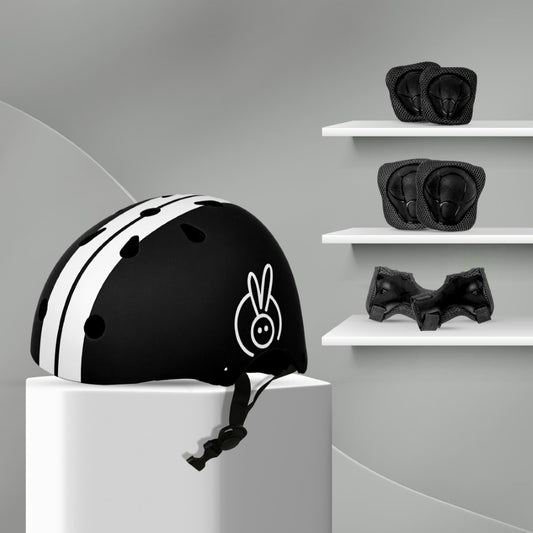
- Is your child comfortable wearing a helmet, knee pads, and elbow guards without resistance?
- Do they understand that gear is for protection, not punishment?
- Willingness to gear up shows maturity and respect for safety rules.
-
Awareness of surroundings
- Does your child pay attention to what is happening around them — pedestrians, pets, vehicles?
- Are they able to adjust their behaviour based on changing environments?
- Spatial awareness helps - prevent collisions and encourages responsible riding.
R for Rabbit Scooters: Designed for Beginners
When it comes to choosing a first scooter for your child, R for Rabbit Scooters stands out as a trusted choice for riders. Thoughtfully engineered with - safety, comfort, and ease-of-use in mind, our scooters for your kids make the transition from - walking to wheeling smooth and enjoyable.

-
Features that support early riders
Three-wheel stability features ensure better balance and are included in toddler scooter readiness signs.
- Our scooters back the lean-to-steer mechanism that helps develop coordination naturally
- The wide deck and low height make it easy for kids to hop on and off confidently
-
Certified safety and adjustable design
- Our scooters are equipped with ISI-certified safety features for parent’s peace of mind
- Adjustable handlebars grow with your child, extending usability across age groups
- Rear foot brake allows easy stopping, helping kids learn control without fear
-
Lightweight, durable, and kid-friendly
- Made from high-grade and lightweight materials - our scooters are easy for kids to manoeuvre
- Scooters with lively colours and playful designs attract young riders and encourage outdoor play
- Built to withstand everyday bumps and tumbles - they are perfect for active little explorers
Also Read:
- How to Choose the Best Scooter for Kids: Expert Guide
- Common Mistakes Parents Make While Dealing With Kids Scooters
- Ultimate Benefits of R for Rabbit Kids Scooter
- Top 10 Scooter Safety Tips for Kids by R for Rabbit
- How to Safely Ride a Kids Scooter on Uneven Surfaces
Conclusion - Confidence Comes with Readiness
So, is my child ready for a scooter ride? Scooter riding can be a - joyful milestone in your child’s development. However, only when they are truly ready.
Instead of rushing into a purchase based on age or peer pressure, take time to assess your child’s physical, emotional, and cognitive readiness. Every child grows at their own pace, and confidence blooms when they feel safe and supported.
Choosing safety-first products like - beginner-friendly scooters, certified gear, and adjustable designs not only protects your child but also enhances their learning experience.
When readiness meets the right equipment, riding becomes more than play - it becomes a skill-building journey filled with fun, freedom, and confidence.
Faq's On Is Your Child Ready for a Scooter? Signs to Look for Before Buying!
RELATED PRODUCTS

- ₹ 2,289
- ₹ 3,393
- 33% off
 Bestseller

- ₹ 3,958
- ₹ 5,193
- 24% off

- ₹ 2,289
- ₹ 3,393
- 33% off

- ₹ 2,998
- ₹ 3,645
- 18% off

- ₹ 1,996
- ₹ 2,430
- 18% off
 Deal of the Day

- ₹ 3,739
- ₹ 5,499
- 32% off

- ₹ 1,789
- ₹ 2,592
- 31% off

- ₹ 1,879
- ₹ 2,799
- 33% off


