


6 Common Baby Bottle Cleaning Mistakes and Fixes!

Cleaning baby bottles seems a - straightforward task. However, when you are a new parent, even small mistakes can let germs linger. Milk deposit, improper rinsing, or bottle sterilizing mistakes can lead to bacterial collection.
Cleaning of bottles for your baby's safety is a must. Infants with growing immune systems cannot efficiently fight harmful bacteria.
Luckily, evading these baby bottle cleaning mistakes does not take much effort. You can just follow the safe bottle cleaning habits or our baby bottle hygiene tips explored in this blog.
Let us discover the most common errors parents make when cleaning baby bottles. And how to fix them before they turn into a health challenge.
Why Correct Cleaning of Baby Bottles Matters for Feeding Safety?
Like other foods and drinks, milk residue crafts a breeding ground for bacteria. These germs can lead to infections in your little baby. They can cause diseases like diarrhoea, colic, and gastric distress.
A bottle that is not sterilized properly may leave germs. This can harm your baby’s evolving immune system. This leaves them more inclined to such diseases during the initial stages.
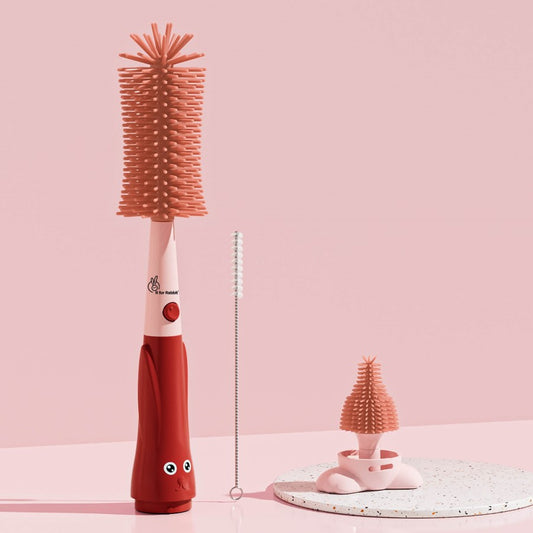
So, mistakes in baby bottle sterilizing and drying can impact feeding safety. Utilise our safe baby feeding bottle cleaning accessories at R for Rabbit.
Mistake One: Not Rinsing Bottles Right Away.
Many parents make the slip-up of waiting too long to rinse utilized bottles. A harmless delay does not stay harmless. Soon, the bottle becomes a - breeding ground for bacteria.
-
How leftover milk increases - residue buildup.
The excess milk in the bottle leads to residue buildup. Milk residue hardens into a stubborn film. This creates a lingering odour. When milk dries inside, it leaves behind a sticky film. This is tough to remove. It specially builds up around the bottle’s neck and nipple.
-
Simple steps to rinse bottles right after use.
The steps you can use:
- Empty the bottle right after your baby finishes feeding.
- Give it a rinse with warm water to - eliminate milk residue.
- Swirl the water inside.
- Rinse the nipple separately.
- Leave everything to air-dry until complete washing.
Mistake Two: Skipping Deep Cleaning of Bottle Parts.
All the bottle parts should be cleaned thoroughly. Germs can grow fast in a bottle if its parts are only rinsed, rather than deep cleaned.
-
Hidden spots where germs tend to collect.
Germs collect in the narrow grooves of bottle rings. They build up in the tiny air vents in the nipples. Milk residue often settles in these tight spaces. So, it turns out to be difficult to notice but easy for bacteria to thrive in.
Without regular deep cleaning, these hidden areas can contaminate milk. This happens even if the bottle looks clean on the surface.
-
How to clean nipples and rings with full care.
Start by separating every part of the bottle. Remove the nipple, ring, cap, and vent pieces. This ensures nothing is - overlooked. Use a soft nipple brush.
Reach inside the nipple tip gently. Clean the air vents thoroughly. For the rings, focus on the inner grooves. Use a narrow brush to scrub them well. This removes trapped milk film.
Warm water works best. Rinse under running water. Let all parts air-dry on a clean surface. Regular deep cleaning keeps feeding equipment safe.
Mistake Three: Using Harsh or Unsuitable Cleaners.
It is appealing to use a strong cleaner for that squeaky-clean touch. However, harsh cleaners can leave residues that may bother your baby’s belly.
-
Risks linked with strong chemicals on bottles.
Strong cleaning agents often contain fragrances. They may also include dyes or heavy detergents. These chemicals cling to plastic surfaces. They can stay even after rinsing.
Residues may mix with warm milk during feeding. They can also mix with water. This increases the - chance of stomach irritation. Your baby may feel discomfort.
Some chemicals weaken bottle materials over time. Tiny cracks can form where germs hide. Leftover cleaner affects taste and smell. It also reduces overall bottle safety. Gentle, baby-safe cleaners protect your baby’s digestion.
-
Safe cleaners that protect your baby’s health.
Opt for mild dish soaps. Choose fragrance-free and baby-safe formulas. These cleaners rinse off easily. They leave no film behind.
Plant-based formulas protect bottle materials. They are also gentle on your baby’s tummy. Look for cleaners labelled safe for infant feeding.
These cleaners break milk residue well. A soft brush improves cleaning. Safe cleaners support your - baby’s digestive comfort.
Mistake Four: Not Sterilizing Bottles as Needed.
Washing is not always sufficient. Even after in-depth cleaning - bottles can still carry bacteria. Let us explore why sterilizing is essential.
-
When sterilizing is helpful for young infants.
Infants with weaker immunity can be at danger. Sterilize all - bottles and nipples once a day. This is especially important for infants.
-
Different methods to sterilize bottles.
You can boil bottles for around 5 minutes. Run them through a sterilizer. Clean with an electric bottle brush first. This step removes stubborn residue. It ensures the bottle is ready for proper sterilizing.
-
Signs your sterilizer technique needs improvement.
You may notice bottles smelling slightly sour after sterilizing. This smell is an early warning sign. Sometimes, cloudy spots stay on the bottle walls.
Residue may also remain even after cleaning. Parts may not feel fully dry after a full cycle. Recurring buildup can appear on your baby’s bottles.
This happens even with regular cleaning. These signs show it is time to improve your sterilizing technique.
Mistake Five: Poor Drying and Storage Practices.
Poor drying and storage practices form stubborn residues. Dry bottles precisely to avert bacterial development. Storing them in a clean and hygienic setting always helps.
-
Why air drying lowers moisture-related issues.
Air drying is a space-saving approach. It involves placing the cleaned bottles on a smooth surface. Ensure you dry all bottles carefully prior to storing them.
You can even utilize a clean towel to mildly pat the bottles dry. So, this methodology reduces moisture-related challenges.
-
Storage habits that prevent germ formation.
Proper storage of baby bottles is even significant. Good handling prevents damage. It also helps maintain cleanliness. Store clean bottles with the openings facing upwards.
This position allows air to circulate. Airflow helps the bottles dry thoroughly. It prevents moisture from building up. This trims the risk of mold.
Mistake Six: Using Worn or Damaged Bottle Parts.
Any type of damage to bottle parts can trap germs easily. Damaged parts may affect milk flow and safety. Replacing worn pieces keeps feeding safer for your baby.
-
How cracks and wear affect bottle hygiene.
Weak spots like cracks and wear make cleaning less effective. These tiny openings let milk residue settle deep inside. Regular brushing cannot - reach these spots.
These pockets become ideal places for bacteria. The bottle may look clean on the outside. But germs can stay trapped in damaged areas. This can cause buildups and tummy troubles for your baby.
-
When to replace nipples and bottle accessories.
Replacement of nipples is substantial when they show tears. Change them if the flow becomes too fast. Swollen or sticky nipples need replacement.
Discoloration is also a warning sign. Replace bottle rings if they loosen over time. Damaged vent pieces should be swapped out. Worn bottle accessories can affect hygiene and safety. Regular checks help you replace parts at the right time.
Parent Hygiene Habits That Support Bottle Safety.
Parent hygiene habits play a big role in bottle safety. Wash your hands thoroughly. Keep nails clean to - avoid trapping germs.
-
Hand cleaning steps before bottle handling.
Handle clean bottles with sanitized hands. Avoid touching the inside of nipples. Consistent hygiene habits help keep feeding safer.
Wash your hands before - handling bottle parts. Use warm water. Scrub precisely. Clean your fingertips. Wash between your fingers. Clean under your nails carefully.
Dry your hands with a -clean towel. You can also let them air-dry. Use an alcohol-based sanitizer when you are outside. This helps until you can wash properly. These steps reduce bacteria and keep bottles clean.
R for Rabbit's Guide on Baby Bottles:
- Ultimate Guide: Which Feeding Bottle Is Best For Your Baby?
- How to Choose the Right Bottle Brush for Different Bottle Types
- The Complete Guide on How to Use a Feeding Bottle for a Newborn
- Baby Bottle Cleaning Hacks Every Parent Must Know
- How to Choose BPA-Free Feeding Bottles for Babies - A Parent Guide
- Why Bottle Sterilizers Are Important for Babies
- Sipper Bottles with Straws vs. Traditional Water Bottles
Closing Notes for Parents Improving Bottle Care!
Parents must improve bottle care. Safe habits make every feeding more reliable. Always wash bottles soon after each use. Clean every part, including small vents.
Use gentle soaps for washing. Rinse thoroughly. Let bottles air-dry on a - clean surface. Replace worn or damaged parts quickly.
Keep your hands clean before handling bottles. Consistent care builds a safe cleaning routine. Building these habits makes feeding smoother. They also make every feeding safer.
Small steps create - long-term hygiene benefits. Washing promptly prevents residue buildup. Checking for - damage and using the right cleaners keeps bottles safe.
Faq's On 6 Common Baby Bottle Cleaning Mistakes and Fixes!
RELATED PRODUCTS

- ₹ 423
- ₹ 585
- 28% off


- ₹ 423
- ₹ 585
- 28% off

- ₹ 1,898
- ₹ 2,592
- 27% off

- ₹ 428
- ₹ 594
- 28% off


- ₹ 1,898
- ₹ 2,592
- 27% off


