

Postpartum Recovery Essentials: What Indian Moms Actually Need in the First 40 Days

Indian mothers need a focused mix of medical supplies, traditional care items, postpartum-friendly clothing, and a clear support plan for the first 40 days, the window where the body does most of its real recovery.
This is a practical postpartum essentials checklist built for Indian homes: a week-by-week list, a c-section vs vaginal split, the jaapa items that work, an Indian food list, mental-health red flags, and INR budget brackets. Treat it as the postpartum recovery essentials for Indian moms guide, made for joint families and mixed western-traditional care.
Why the First 40 Days Matter So Much?
Here's why this window exists, in both medical and Indian cultural terms and why a first 40 days after delivery checklist is worth making before the birth.
What Medically Happens in 40 Days?
The uterus shrinks back toward its pre-pregnancy size, bleeding (lochia) tapers off, stitches heal, hormones start to settle, and milk supply gets established. Cleveland Clinic notes this involution takes up to six weeks and is known as the medical “puerperium”.
Why Indian Tradition Honours This Window?
Jaapa, sutak, and 40-day confinement customs run across North, South, East, and West India. Different names, same underlying truth: a new mother needs rest and care.
How to Blend Medical and Traditional Care?
Most doctors back warm food, oil massage, rest, and good nutrition. A few traditions need update as they still heavily lie on over-bundling, denying water, and restriction of movement completely. It is important to keep what helps, drop what doesn't.
5 Hygiene and Wound Care Essentials
Bleeding, healing stitches, and sweating all need the right basics, and Indian hospitals send you home with very little. Here's what to buy for postpartum recovery:
-
Maternity Pads for 4 to 6 Weeks:
Stock 60 to 80 maxi pads. Flow is heavy on days 1 to 5, lighter after. Mix sizes: XL for night, L for day.
-
Disposable Mesh Underwear or Cotton:
Disposable mesh underwear (5 to 10 pairs) for week 1, then loose high-waist cotton after. A pack can cost somewhere around ₹300 to ₹700.
-
Peri Bottle for Vaginal Delivery:
A squeeze bottle of warm water cleans the perineal area without rubbing. Buy one (₹250 to ₹600) or improvise with any squeeze bottle.
-
C Section Wound Care Items:
Keep antiseptic wash, gauze pads, surgical tape, silicone scar strips (after two weeks), and loose cotton waistbands. Confirm products with your OB.
-
Sitz Bath or Warm Water Tub:
A small plastic tub for warm-water sitz baths, twice daily, eases perineal healing: especially with stitches.
Comfortable Clothing for the 40 Days
What you wear in these weeks affects healing, breastfeeding ease, and your mood.
-
Loose Cotton Kurtas and Nightwear:
Four to six loose nighties or kurtas with front buttons or a wide neck for easy feeding. Skip tight waistbands.
-
Nursing Bras That Actually Fit:
Three to four wireless, breathable nursing bras, a size up from pre-pregnancy. They cost around ₹400 to ₹1,000 each.
-
High Waist Cotton Underwear:
After a c-section, low-waist underwear rubs the incision. High-waist cotton or seamless pairs sit above the scar.
-
A Soft Belly Wrap for After Day 7:
A cotton or bamboo belly binder (₹500 to ₹1,500) supports the abdomen when walking and sitting. Use only after your doctor clears it.
5 Breastfeeding Essentials
Most Indian moms underestimate how much these first 40 days of feeding will need.
1. Nursing Pillow for Comfort:
Takes the load off arms, back, and a c-section scar. It can be around ₹800 to ₹2,500 or a folded regular pillow can work too if money's tight.
2. Breast Pads to Manage Leaks:
Disposable pads for the first six weeks (₹200 to ₹500 a pack), or 4 to 6 washable cotton pairs (₹400 to ₹800).
3. Nipple Cream or Coconut Oil:
Lanolin cream (₹500 to ₹1,200) or pure coconut oil for sore, cracked nipples. Apply after every feed.
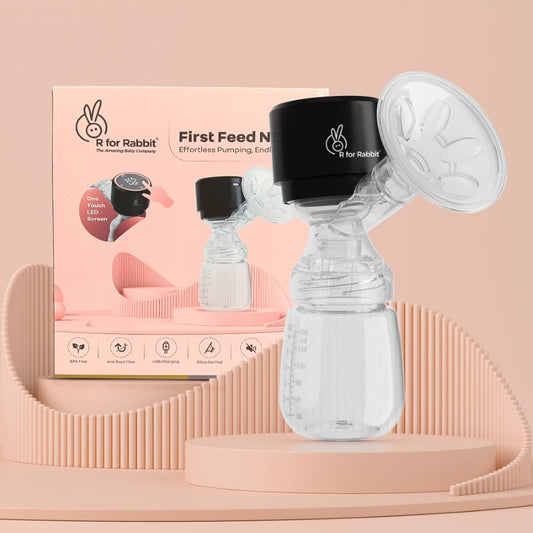
4. Breast Pump for Working Moms:
Useful if you're back at work by day 30 to 40.Manual (₹800 to ₹2,000) orelectric (₹3,000 to ₹8,000).
5. Milk Storage Bags or Bottles:
Needed by week three or four if you pump. Pre-sterilised bags or BPA-free bottles in 100 ml and 150 ml.
Traditional Indian Jaapa Items That Actually Help
Many traditional items have real benefits. These are the traditional postpartum care items worth keeping in your 40 days jaapa essentials checklist.
-
Postnatal Oil Massage (Maalish):
Sesame, mustard, or coconut oil for the daily mother-and-baby massage. Start by day 7 (vaginal) or day 14 (c-section), done by family or a maalish wali.
-
Hot Water Bottle for Body Aches:
Traditional and effective for joint pain, backache, and uterine cramps. It can be around ₹200 to ₹400. Warm, never scalding hot.
-
Ajwain Water and Hing Pouches:
Ajwain (carom) water for digestion, hing pouches on the belly for gas relief. Both gentle and widely used.
-
Traditional Postpartum Foods:
Warm, easy to digest, and high-calorie for healing:
- Panjiri
- Gond ke ladoo
- Methi laddu
- Hareera
- Sonth
- Ajwain laddu
- Ghee
- Badam pak
-
Warm Clothing for Body Heat:
Cotton socks, a light shawl, a head cover to be used especially in AC. Tradition is right about keeping mom warm in this window.
Food and Nutrition for 40 Days
Nutrition does about half the healing work. Blend medical advice with proven Indian foods to get effective results.
What to Eat Through the 40 Days
Include five to six small warm meals daily in your diet like khichdi, dal-rice with ghee, paratha, vegetable soup, methi sabzi, lauki, paneer, eggs. Iron-rich foods matter most and should be definitely considered.
Galactagogue Foods for Milk Supply
Traditionally used to support milk supply (evidence is limited, but they're nourishing):
- Methi (fenugreek)
- Dill seeds
- Garlic
- Oats
- Almonds
- Jeera
- Ajwain
Foods to Limit or Avoid
Go easy on cold foods, raw salads, leftovers, gas-causing dals (rajma, chana, urad in the first two weeks), caffeine, and alcohol.
Hydration With Warm Liquids
Aim for 3 to 4 litres of warm water, jeera water, ajwain water, and soup daily. Traditional care still recommends avoiding cold water.
Mental Health and Emotional Support
The most overlooked essential of all. These weeks are emotional, and Indian moms often stay silent about it.
Baby Blues vs Postpartum Depression
Baby blues (mood swings, crying spells) last about 10 to 14 days and fade on their own, per March of Dimes. PPD lasts longer, deepens, and brings anxiety or trouble bonding. It affects roughly 1 in 5 Indian mothers that is about 22% in a WHO Bulletin meta-analysis.
Red Flags That Need Mental Health Help
Reach out for professional help if you notice:
- Sadness lasting beyond 2 weeks
- No interest in the baby
- Intrusive thoughts
- Persistent anxiety
- Sleep problems beyond the usual newborn nights
- Any thoughts of harming yourself or the baby
Any thought of self-harm is an emergency. Speak to a doctor or a mental health helpline straight away, or go to the nearest hospital. You are not failing, this is a treatable medical condition.
How to Set Up Visitor Boundaries?
Indian families visit non-stop early on. Set visiting hours, cap holding time, and ask everyone to wash hands and not kiss the baby.
When to Ask for Postpartum Doula or Help
A maalish wali, jaapa cook, or postpartum doula (₹500 to ₹3,000 a day in metros) is often worth every rupee.
Practical Care Items for Easier Days
Small things that quietly make the 40-day routine easier; the kind most new mom essentials first month lists skip.
1. A Large Water Bottle for Bedside:
A 1-litre-plus bottle with a straw keeps you hydrated through night feeds without getting up. It can be around ₹300 to ₹800.
2. Mattress Protectors for Leaks:
Two waterproof protectors save the bed from milk leaks, sweat, and spit-up. Usually around ₹500 to ₹1,500.
3. Soft Slippers for Inside the House:
Open-back slippers or grip socks that are easy to slip on for night feeds and washroom trips.
4. Phone Charger Near the Feeding Spot:
A long-cord charger by the feeding chair or bed. Phones die fast during night-feed scrolling.
5. Snack Box Within Arm's Reach:
Keep dry fruits, ladoos, biscuits, and makhana near the feeding spot. Hunger hits mid-feed, especially at night.
Differences for C Section Recovery
C-section recovery has extra needs. Plan these post c section recovery essentials separately - the normal vs c section postpartum essentials gap is real.
1. Extra Wound Care Supplies:
Antiseptic, gauze, surgical tape, silicone scar strips (after two weeks), a supportive binder, and soft cotton dupattas to cover the incision.
2. Movement Aids for the First 2 Weeks:
A sturdy armchair to push up from, a pillow to press against the incision when you cough or sneeze, and a step stool for the bed.
3. Foods That Reduce Constipation Risk:
Pain meds plus surgery raise constipation risk. Papaya, prunes, soaked figs, fiber, and plenty of water help.
Setting Up Your Support System
Products help, but people help more. Decide who comes, when, and for what.
1. Who Stays in the First 2 Weeks:
Usually your mother or mother-in-law, sometimes in rotation. Settle it in advance to avoid awkward overlap.
2. How to Use Help Wisely?:
Let helpers handle food, laundry, cleaning, and visitors. You focus on the baby and recovery. Don't feel guilty about resting.
3. Planning for Working Moms:
On six-month leave, day 40 still leaves four months. If leave ends sooner, line up childcare from day 30 to 40 onward.
Budget Brackets for Indian Moms (H2)
A clear money guide so you plan the spend without overbuying or going broke.
● Bare Minimum Under 5000 Rupees:
Maternity pads, five cotton kurtas, three nursing bras, peri bottle, hot water bottle, ajwain, ghee, basics. Skips the nice-to-haves.
● Standard Setup 5000 to 12000 Rupees:
All the above plus a nursing pillow, belly wrap, manual pump, sitz tub, breast pads, a jaapa food kit, and a basic doula visit.
● Premium Setup Above 12000 Rupees:
All the above plus an electric pump, a daily maalish wali, a jaapa cook, a mattress-protector set, a lactation-consultant visit, and premium nursing wear.
R for Rabbit Guide to Pregnancy and Postpartum Care
- How to Maintain a Healthy Pregnancy Naturally: 5 Essential Steps
- Postpartum Acne and Melasma Tips: A New Mom's Skincare Guide
- C-Section Recovery: Best Exercises for Indian Moms
- Postpartum Hair Care: How to Control Hair Fall After Pregnancy Guide
- Ayurvedic Practices for New Mothers: Nourishing Postnatal Care
Final Thoughts: Plan Early, Rest Hard
The right setup before delivery saves weeks of stress after. Rest is the single most powerful “essential” on this whole list. So, here's the takeaway: pack the basics by week 35, accept help generously, and treat these first 40 days as the most important investment in your long-term health. Keep this postpartum essentials checklist handy and tick it off before the due date.
R for Rabbit's Lactella breast pumps, nursing-friendly diaper bags, and comfort items can slot in once you know what you need.
Faq's On Postpartum Recovery Essentials: What Indian Moms Actually Need in the First 40 Days
RELATED PRODUCTS
 Bestseller

- ₹ 2,498
- ₹ 2,997
- 17% off
 New Launch


- ₹ 260
- ₹ 324
- 20% off
 Bestseller